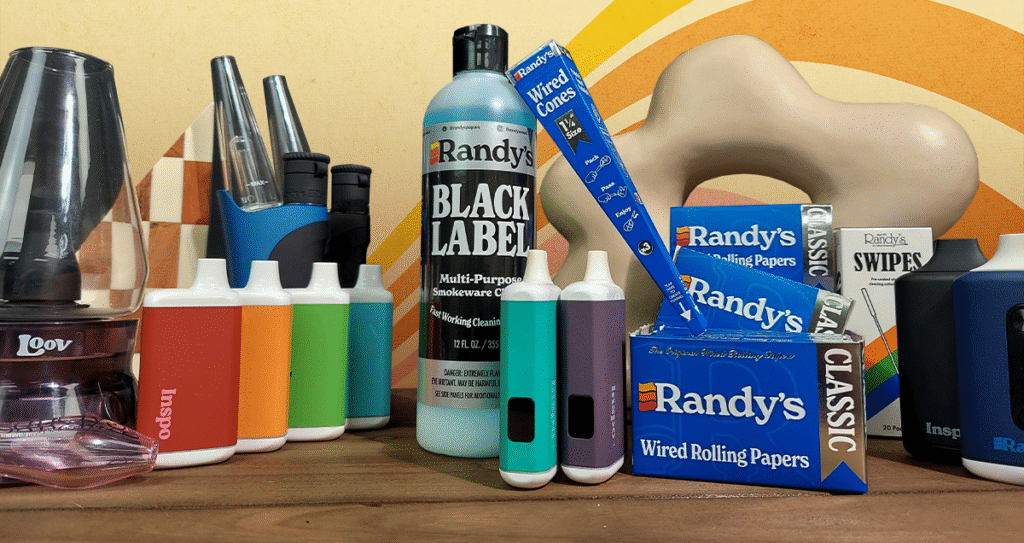

Margin pressure is not new for dispensary operators, but the way it shows up has changed. As regulations evolve, categories shift, and operational complexity increases, head buyers overseeing multiple locations are being forced to think less about what is trending and more about what is dependable.
Heading into 2026, the strongest operators are not chasing every new product category. They are rebalancing assortments toward accessories that deliver predictable sell-through, consistent margins, and fewer operational surprises. This approach helps protect profitability across locations while keeping purchasing decisions simpler and more scalable. Do you know how to protect your dispensary margins? Keep reading to find out more.
For multi-store buyers, growth does not just mean adding new SKUs. It means ensuring that every category earns its place on the shelf across multiple locations.
As store counts increase, so does the cost of mistakes. A single underperforming category multiplied across ten or twenty locations quickly turns into a meaningful margin drain. Buyers are increasingly prioritizing categories that are easy to manage, easy to reorder, and proven to sell regardless of seasonal shifts or market noise.
Margin protection is no longer just about percentage points. It is about reliability.
Regulation is rarely the headline problem for buyers, but it is often the silent one. As rules tighten and enforcement becomes less predictable, certain product categories require more oversight, more documentation, and more internal communication.
This added friction does not always show up as a direct cost. It shows up as time, delays, and risk. Categories that carry fewer regulatory variables allow buyers to move faster, simplify purchasing decisions, and avoid unnecessary operational drag.
For many operators, this reality is driving a renewed focus on accessory categories that sit outside the most heavily scrutinized areas of the business.
Accessories continue to play a critical role in dispensary profitability because they offer something increasingly rare. Consistency.
Non-device accessories typically come with predictable pricing, steady demand, and fewer compliance complications. They are easier to standardize across stores and easier to train staff on. When done well, they also support add-on behavior that increases basket size without requiring major changes to the sales floor.
As buyers look ahead to 2026, accessories are less about filler and more about stability.
One accessory category that continues to outperform expectations is cleaning products. Unlike many items that rely on novelty or trend cycles, cleaning products benefit from repeat use and routine replenishment.
High-performance cleaners like Black Label fit naturally into this pattern. They solve a clear problem, deliver visible results, and encourage repeat purchases without extensive staff education. For buyers, this means dependable reorders and predictable sell-through across locations.
Cleaning products also function well as add-ons. They pair easily with glass and other accessories, helping improve margins without expanding SKU count unnecessarily.
As some device categories face increased complexity, rolling papers and cones remain reliable anchors within the accessory mix. These products move consistently, appeal to a broad customer base, and perform well regardless of shifts in device trends.
Rolling accessories offer buyers something increasingly valuable. Simplicity. They are easy to merchandise, easy to reorder, and easy to scale across stores. When margins tighten elsewhere, these classic categories help keep overall accessory performance steady.
For many multi-store operators, rolling papers and cones act as a foundation that supports experimentation in other areas without putting core revenue at risk.

Rebalancing does not mean abandoning entire categories. Vaporizers and other regulated products still play an important role in many assortments. The key is balance.
Smart buyers are reducing overreliance on high-friction categories while strengthening accessory lines that deliver steady results. This approach creates a buffer against volatility and allows teams to focus on execution instead of constant course correction.
The goal is not to chase fewer categories, but to manage them more intentionally.
As 2026 approaches, dispensary buyers face an environment that rewards discipline over novelty. Categories that deliver consistent margins, repeat behavior, and operational ease will continue to earn a larger share of shelf space.
Purchasers who take time now to reassess their accessory mix are better positioned to weather regulatory shifts, market changes, and category fluctuations without sacrificing profitability.
For fifty years, Randy’s has worked alongside retailers navigating these exact challenges. That long-term perspective continues to shape how we support partners today.
Create a wholesale account to explore products, pricing, and category depth and see how multi-store buyers are building reliable accessory programs for 2026. Or reach out to one of our dedicated reps for more info.