

In today’s environment, dispensary inventory planning has become a balancing act between budget discipline, shelf performance, and regulatory risk.
Across markets, dispensary teams are feeling pressure from every direction. Budgets are tighter. Shelf space is more valuable. Inventory that once moved easily is now sitting longer than expected. At the same time, regulatory uncertainty has made buyers more cautious about introducing anything that could create headaches down the line.
Accessories haven’t disappeared as a category—but expectations have changed.
The question most shops are asking now isn’t “What’s new?”
It’s “What will actually earn its place?”
Across conversations with dispensary owners, buyers, and staff, the pressure was consistent. Budgets are tighter. Inventory has to move. And with regulatory changes always on the horizon, fewer shops are willing to take chances on products that don’t earn their space quickly.
Regulations and compliance weren’t abstract concerns either. Buyers wanted confidence that the products they bring in today won’t create problems tomorrow. That uncertainty has made reliability and clarity more important than ever.
At the same time, staff shared a different but related frustration. Complicated devices slow down conversations. Accessories that require too much explanation don’t just confuse customers — they create friction during already busy shifts.
One of the most common conversations we’ve had with shops over the past year sounds something like this:
“These products made sense when we brought them in, but they’re not moving like they used to.”
That doesn’t always mean the product is bad. In many cases, it means:
When budgets tighten, the tolerance for any of those issues drops fast.
Accessories that survive in this environment tend to share a few traits:
If an accessory needs a long explanation, special disclaimers, or a “perfect moment” to sell, it’s going to struggle.
Even in established markets, regulation came up repeatedly in conversations with buyers.
Not because rules changed overnight—but because the risk of change feels constant.
That uncertainty is shaping buying decisions in subtle but important ways:
In this climate, clarity matters as much as compliance.
Products that are straightforward to stock, explain, and stand behind feel safer—not just legally, but operationally.
While buyers worry about risk and inventory, staff experience a different kind of pressure.
They’re balancing:
Accessories that complicate that equation don’t last.
Staff consistently tell us they prefer products that:
When staff believe in a product, sales follow. When they don’t, even the best margins won’t save it.
Based on what we’ve seen across shops, a few evaluation questions are becoming more common:
1. Can this be explained clearly in under 10 seconds?
If not, it’s asking too much of the floor.
2. Does it support existing customer behavior?
Products that require customers to change how they consume face more resistance.
3. Will it still make sense if regulations shift?
Clarity and simplicity reduce future risk.
4. Does staff feel comfortable recommending it?
Confidence at the counter matters more than packaging.
Accessories that check these boxes are the ones shops are keeping—and reordering.
Markets cycle. Categories shift. Regulations evolve.
Brands that last through those cycles tend to share one thing in common: they adapt without losing sight of how products actually perform in real shops.
Experience doesn’t guarantee success—but it does help identify what holds up when conditions change. It informs which ideas are worth pursuing, which need refinement, and which introduce more risk than value.
In a tighter market, that perspective becomes an asset—not a talking point.
The accessory category isn’t disappearing. It’s becoming more intentional.
Shops aren’t looking for more products. They’re looking for:
The teams navigating this moment successfully aren’t chasing trends. They’re asking better questions—and choosing partners who understand the realities on the floor.
If these challenges sound familiar, you can explore more about how we approach accessories, product design, and support for teams by creating an account or connecting directly with one of our dedicated reps. Whether you’re reassessing inventory, managing tighter budgets, or planning for regulatory shifts, we’re here to help you make confident decisions as the industry continues to evolve.


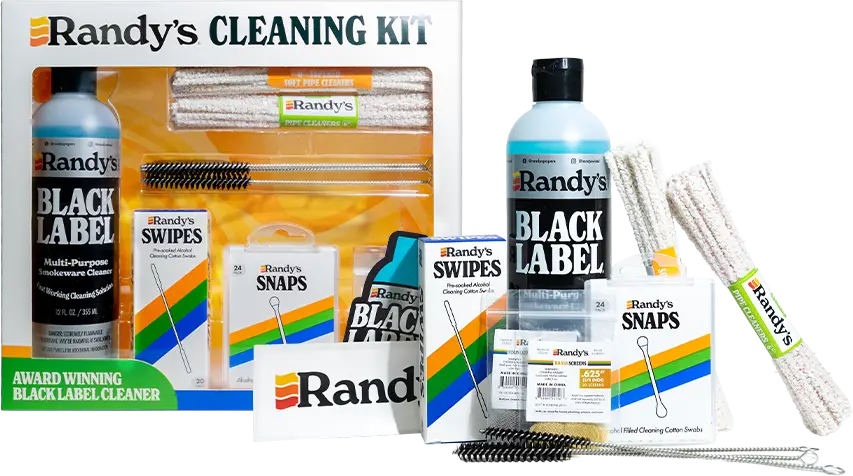
Upgrade your routine with our complete cleaning kit: no forgotten essentials, no extra hassle.